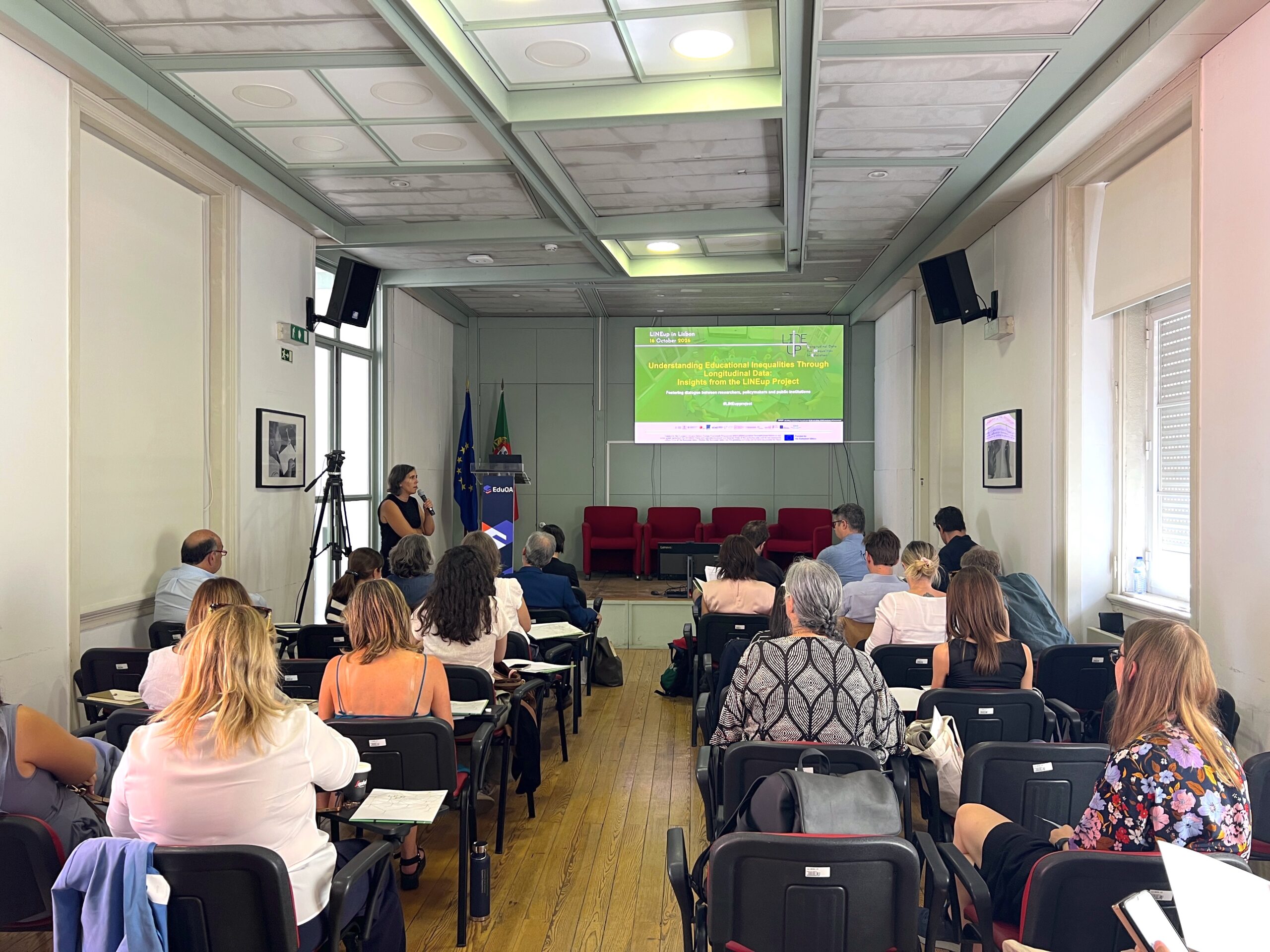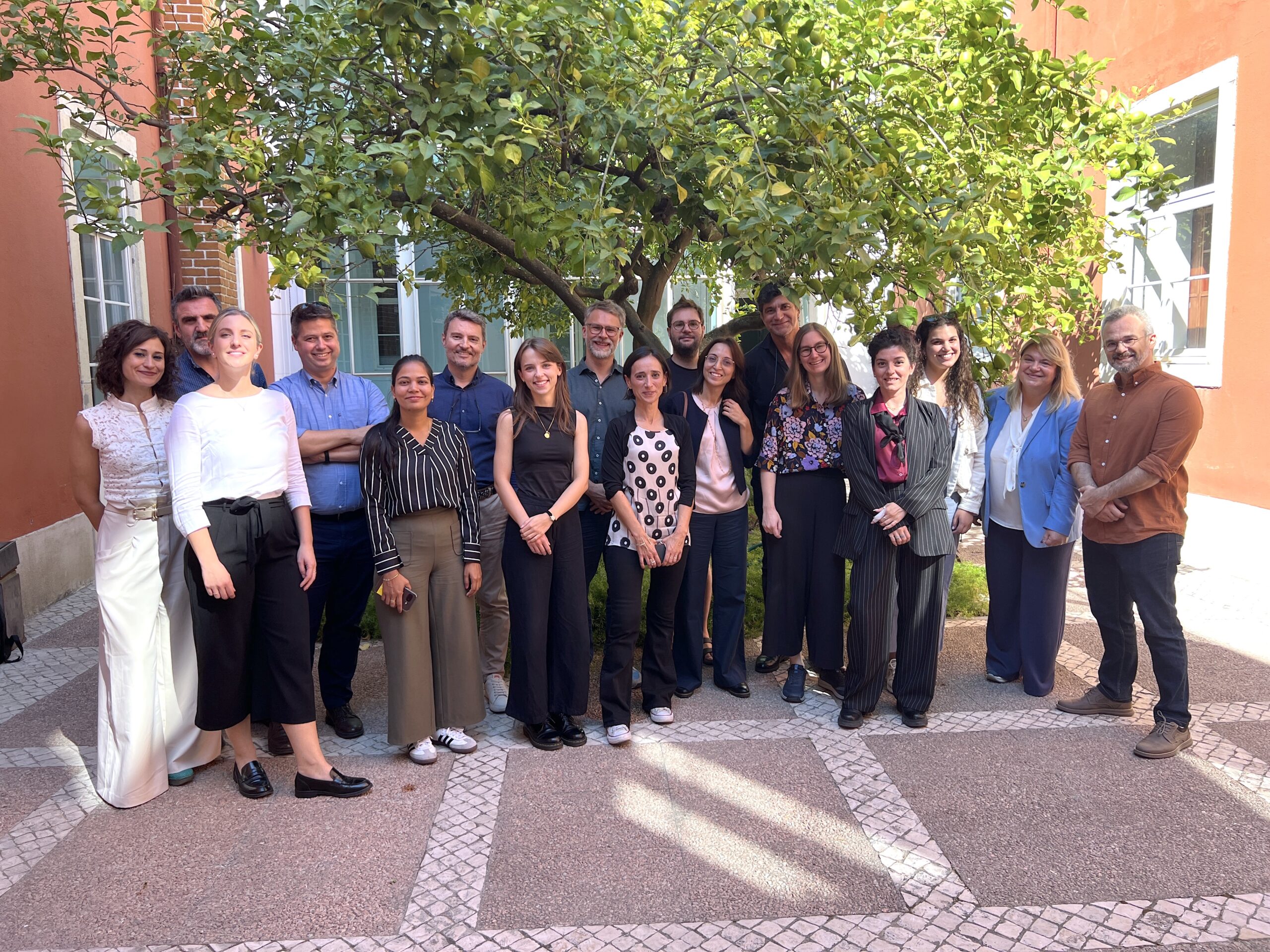


On the occasion of the 2025 edition of the Lifelong Learning Week, LINEup took part in the event “Equity and Inclusion in Education and Training Policies: Insights from 25 years of reforms in Europe”, organised in Brussels by the STRIDE project consortium.
The event brought together researchers, policymakers and civil society representatives to reflect on how European education and training systems have addressed equity, equality and inclusion over the past 25 years.
The discussion opened with the presentation of preliminary findings from the STRIDE project by Magdalena Ślusarczyk, who illustrated the main trends emerging from the analysis of education reforms across Europe, pointing to an overall upward trend in the number of reforms addressing equity and inclusion.
The presentation was followed by a panel discussion moderated by Chiara Piccolo, with contributions from:
- Joana Maldonado, Economic and Policy Analyst at the European Commission, who reflected on how evidence from large-scale assessments and research projects feeds into EU-level monitoring and policymaking;
- Panagiotis Chatzimichail, representing the student voice and a civil society perspective, who stressed the importance of making research findings accessible and actionable for learners and youth organisations;
- Veronica Mobilio, Scientific Coordinator of the LINEup project, who discussed the links between STRIDE’s policy mapping and LINEup’s work on longitudinal data infrastructures.
From the LINEup perspective, the discussion highlighted how policy analysis and data availability are deeply interconnected. While STRIDE documents the evolution of reforms, LINEup shows how fragmented and uneven longitudinal data across countries limit the capacity to analyse student learning trajectories, evaluate reforms over time, and understand how inequalities emerge, accumulate and persist.
A key message emerging from the debate concerned the nature of the data used to inform education policy: while much of the available evidence remains equality-oriented and focused on averages and system-level indicators, addressing equity requires a different type of evidence base.
As discussed during the panel, equity-oriented analysis depends on:
- Longitudinal data, to capture how inequalities develop over time rather than at a single point;
- Multilevel information, linking students, classrooms, schools and broader contexts;
- Background and opportunity indicators, allowing for the analysis of distributional effects and differential impacts across social groups.
Without these elements, even well-designed reforms risk being assessed only in terms of average outcomes, masking who benefits most and who is left behind.
The second part of the event focused on early childhood education and care (ECEC) as a lever to reduce educational inequalities. Dimitris Parsanoglou presented comparative findings from STRIDE case studies, showing that while ECEC reforms are widely recognised as crucial for equity, their effectiveness strongly depends on implementation capacity. Across countries, average effects tend to be modest, while targeted benefits for disadvantaged groups are often more substantial – highlighting the importance of distributional analyses over simple averages.
Overall, the event reinforced a shared conclusion across projects and perspectives: strengthening equity in education also means strengthening the data foundations that allow inequalities and learning trajectories to be clearly observed and analysed. The dialogue between STRIDE and LINEup illustrated how combining policy analysis with robust longitudinal data infrastructures can support more informed, reflective and equitable education policies across Europe.
LINEup warmly thanks the organisers for this rich exchange and looks forward to continued collaboration at the intersection of research, data and policy.