

Insights from European Commission policy analyst Bartek Lessaer
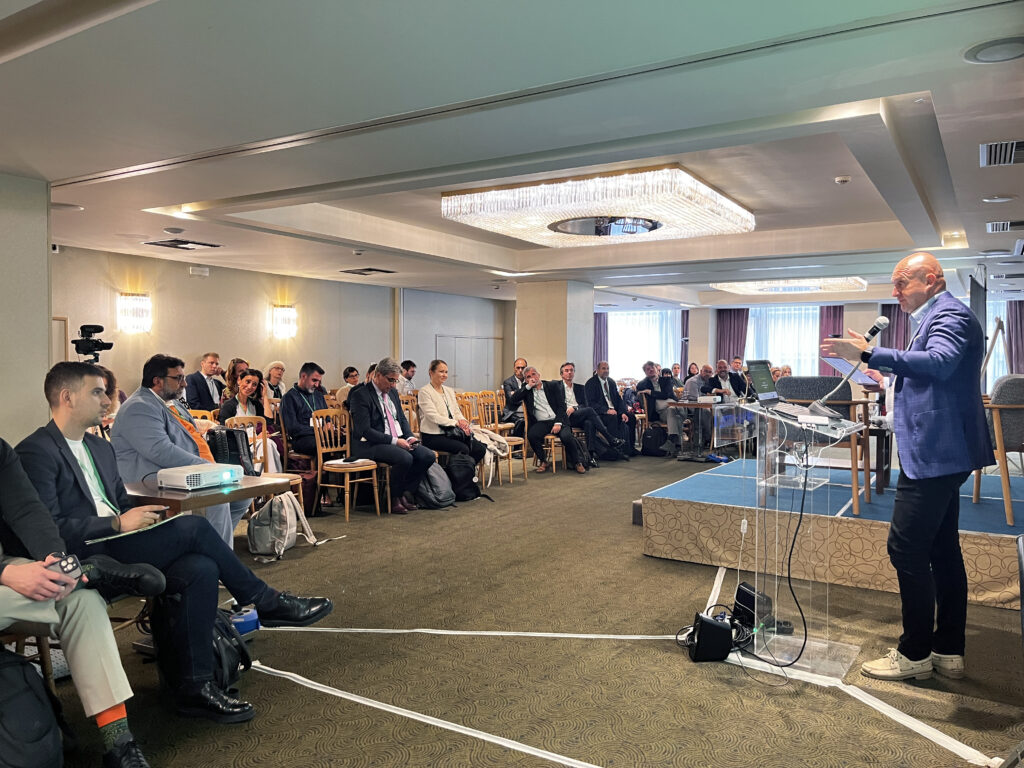
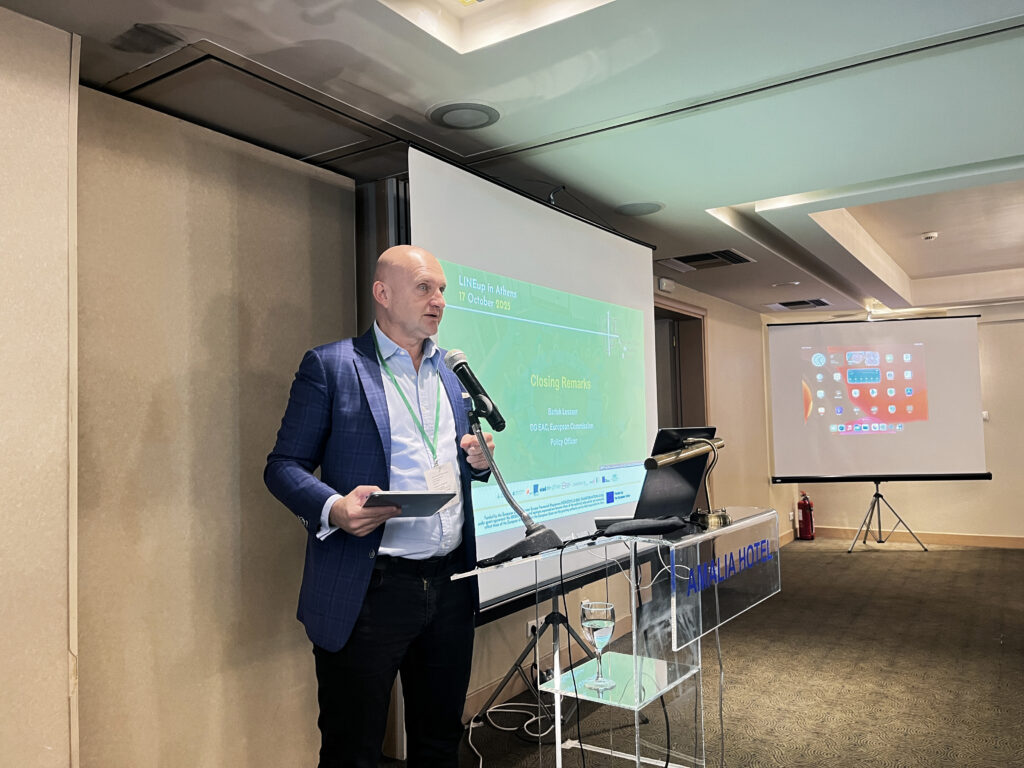
On the occasion of the second LINEup project Conference, titled “Understanding Educational Inequalities through Longitudinal Data: Building Evidence, Shaping Education”, held in Athens on 17 October 2025, Bartek Lessaer, Policy Analyst at the European Commission in the field of education, highlighted a deceptively simple principle at the heart of effective education policy: the need to follow people over time.
Drawing on his experience with Horizon Europe education projects, Lessaer explained why the longitudinal dimension of research is becoming increasingly crucial to strengthening Europe’s evidence base and shaping more informed policies.
From his perspective inside the Commission, Horizon Europe projects do more than deliver academic outputs: they show how public funding is translated into usable knowledge and evidence that can shape future calls for proposals and research priorities. Having seen early results from the project, he describes it as a strong example of the kind of work the EU set out to encourage when it decided, several years ago, to strengthen longitudinal research in European education.
Lessaer also points to a practical challenge in the research landscape: duplication. He welcomes efforts that allow projects funded under the same call to work more closely together – combining results, reducing redundancies, and ultimately producing stronger, more coherent evidence.
At the heart of his message is a core principle: policies should be firmly grounded in scientific evidence. To build that evidence, education systems rely on robust data-collection schemes – surveys and international assessments that measure competencies and provide harmonised, standardised information on how systems perform.
The problem, he noted, is that most of today’s data is cross-sectional: a single snapshot in time. This makes it difficult to understand how lives and learning trajectories unfold – across careers, life stages, and changing circumstances. The remedy, in his view, is to embed a longitudinal element into data collection, tracking the same respondents over time.
Why does this matter so much? Because some of the most important questions in education cannot be answered with snapshots. Cross-sectional studies identify strong predictors of academic success or struggle, but they often fail to explain the exceptions – such as why some young people in disadvantaged contexts manage to “break the cycle” and succeed despite what the predictors suggest. Longitudinal data, Lessaer argues, are essential to understand these turning points, and to uncover the mechanisms that enable learners achieve “atypical” success over time.