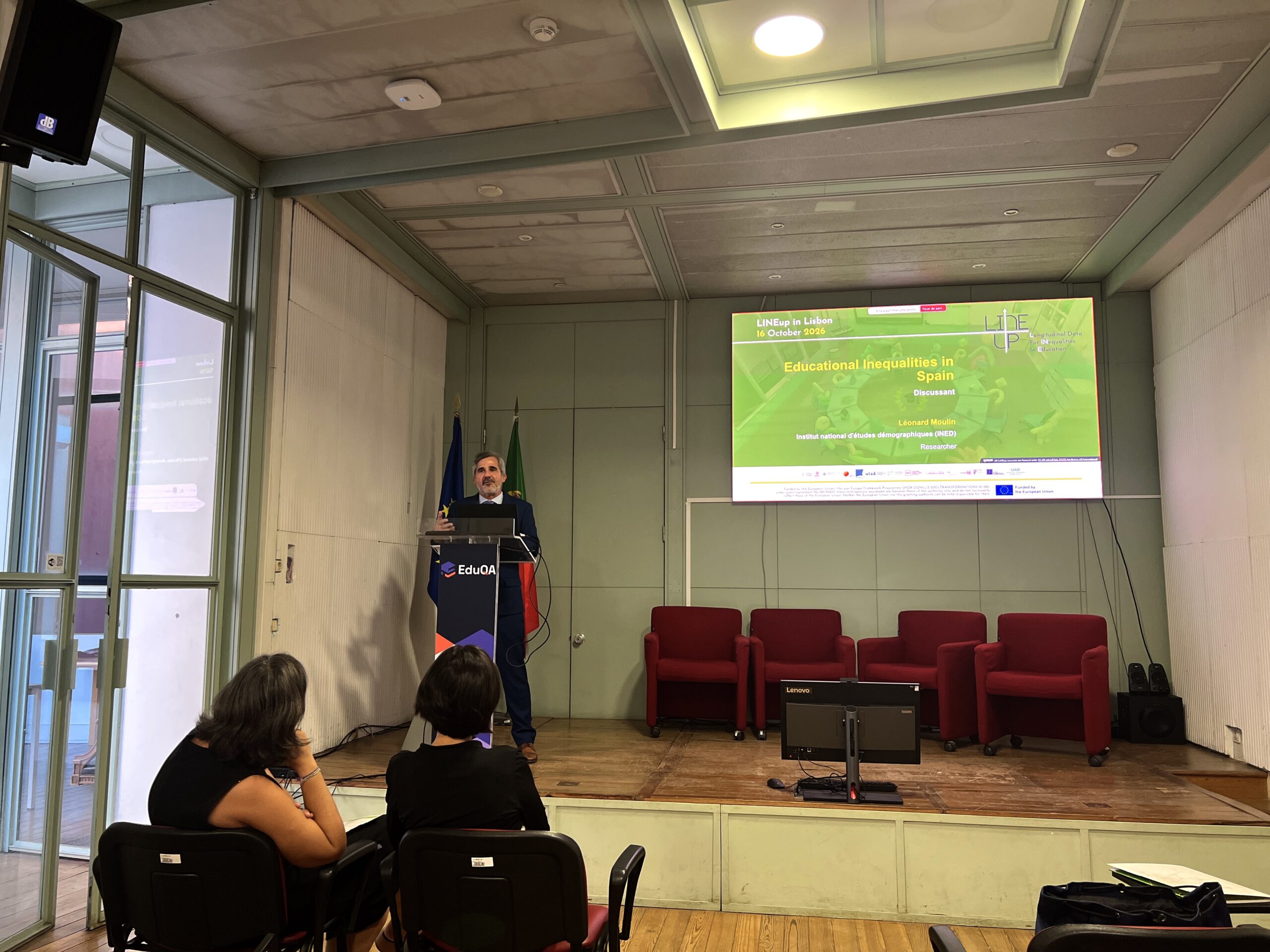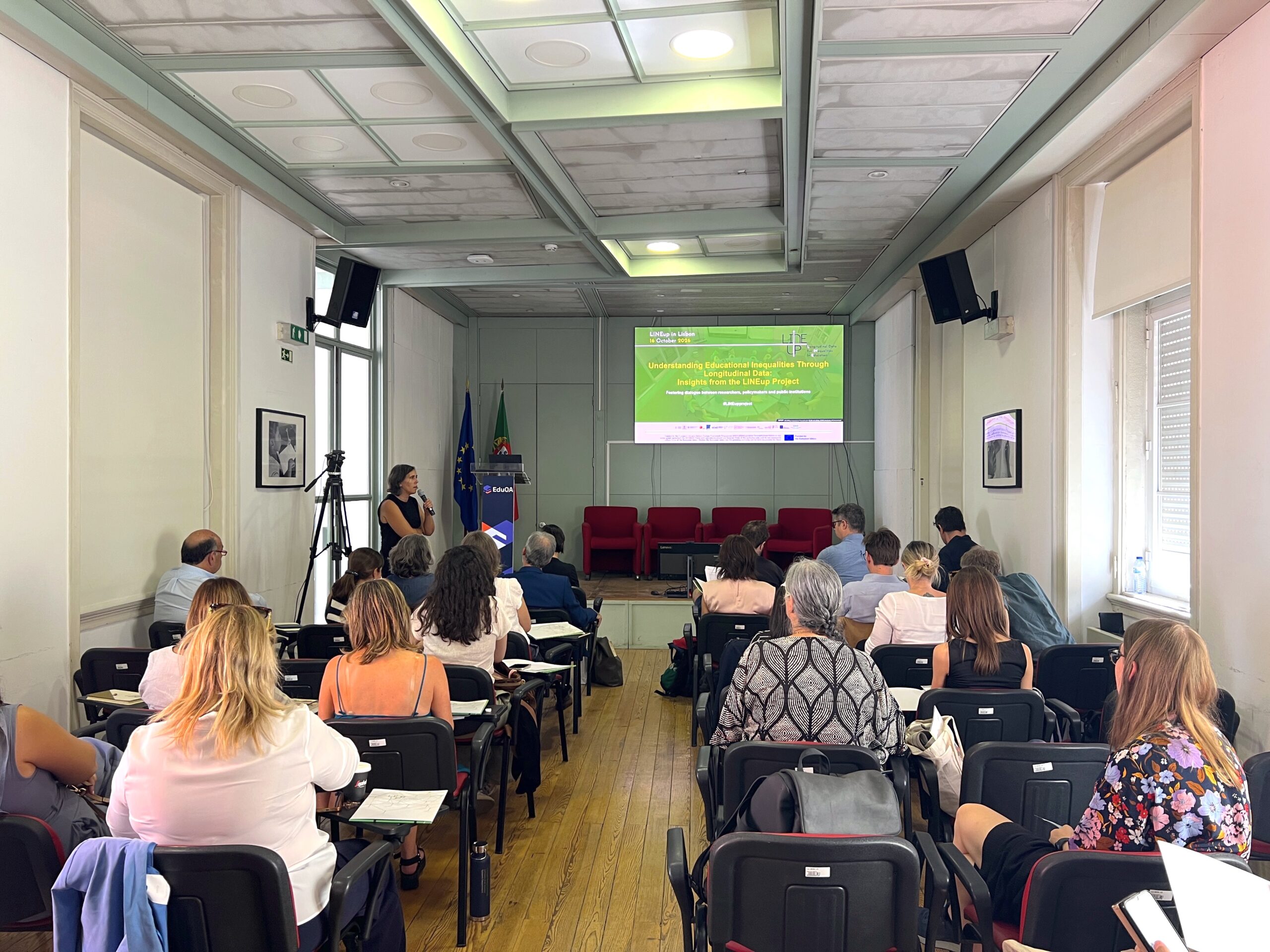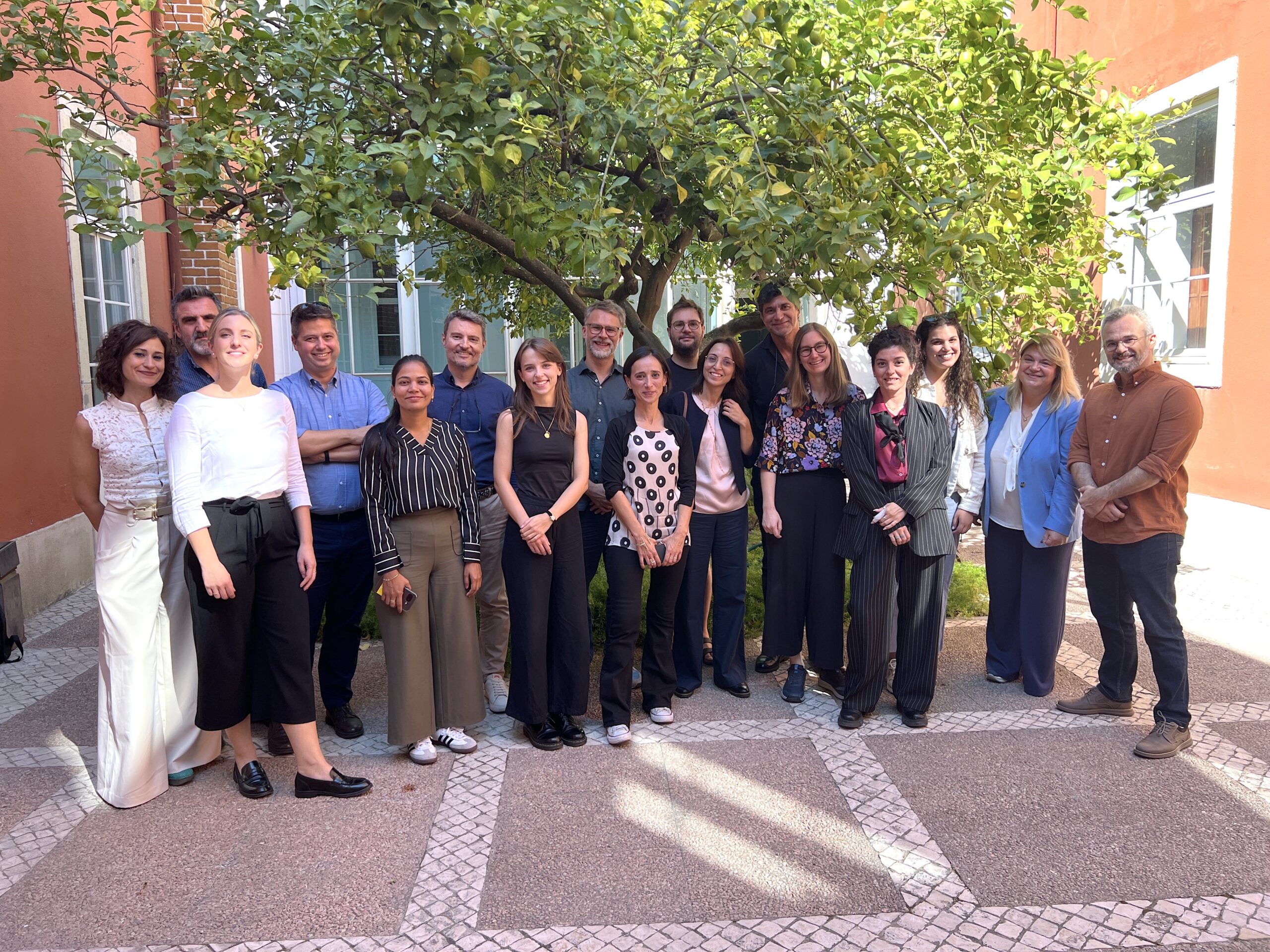


Hosting the LINEup event in Athens was more than an opportunity to welcome an international partnership: it was a clear statement of Greece’s role in a shared European effort to tackle some of today’s most pressing challenges in education, equality and social development. Through the perspectives of the three Greek partners involved, Athens emerges not only as a host city, but as a meaningful space for dialogue, expertise and collective ambition.
For Greece, the event marked an important moment of visibility within the European landscape. As highlighted by Ioannis Cholezas – Senior Research Fellow – of KEPE (Centre of Planning and Economic Research), participating in a project that places education and inequality at the centre of Europe’s future is both timely and strategic. For a country often perceived as geographically peripheral, hosting LINEup in Athens sent a strong message: Greece is not on the margins of the European conversation, but an active and credible contributor shaping it. This message is reinforced by the role of Greek institutions within the project. KEPE, as one of the country’s leading economic research bodies and a key advisor to the Greek government, contributes expertise in labour and education economics. Its involvement demonstrates how national research capacity can inform not only domestic policy debates, but also broader European reflections on inequality and opportunities for future generations. In this context, Athens became the place where such expertise could be shared, recognised and connected to a wider common purpose.
From the perspective of the University of Piraeus, the event also carried strong academic and societal significance. Paraskevi Foti – Senior Researcher – describes LINEup as an excellent opportunity to strengthen Greece’s presence within the European academic community while highlighting the urgency of addressing educational inequalities. This message resonates particularly strongly in a city like Athens, where issues of access, inclusion and development extend far beyond the university context. By hosting the event, Athens provided not only a platform for academic exchange, but also a space for broader reflection on how fairer education systems can support social progress and economic growth. The University of Piraeus further reinforces this narrative. As one of Greece’s leading institutions in economics, business, technology and social sciences, its participation highlights Athens as a hub of knowledge production and international cooperation. The event offered a valuable opportunity to showcase research contributions, strengthen European partnerships and actively engage in initiatives promoting equality and inclusive growth.
A complementary perspective is offered by the Computer Technology Institute and Press “Diophantus” (CTI), represented by Vasileios Gkamas – ICT Project Manager and Consultant. As an organisation supervised by the Greek Ministry of Education and actively involved in the digital transformation of the national education system, CTI brought a strategic and forward-looking dimension to the event. Hosting LINEup in Athens created an important opportunity to connect with teachers, policymakers and researchers from across Europe, particularly those working on longitudinal data and the drivers of educational inequality.
This dimension is particularly relevant given Greece’s experience in managing large-scale administrative education data, covering the full student population from kindergarten to upper secondary education. The Athens event therefore functioned not only as a forum for discussion, but also as a space for mutual learning and institutional reflection. It enabled Greek stakeholders to present their experience, learn from other countries, identify areas for improvement and further strengthen governance models for data sharing in education.
Taken together, these perspectives lead to a clear conclusion: hosting LINEup in Athens positioned Greece as a committed and strategic partner in shaping Europe’s educational future. The event showcased the country’s research capacity, academic excellence and institutional strengths, as well as its willingness to contribute to collaborative solutions addressing inequality.
At the same time, it reinforced Athens’s identity as a European hub of exchange – where policy, research and innovation converge in support of a more inclusive society. The significance of the event therefore goes well beyond the act of hosting. Athens provided not only the setting, but also the substance: a place where European cooperation takes concrete form, and where Greek institutions actively contribute to a shared vision for education and social cohesion across the continent.