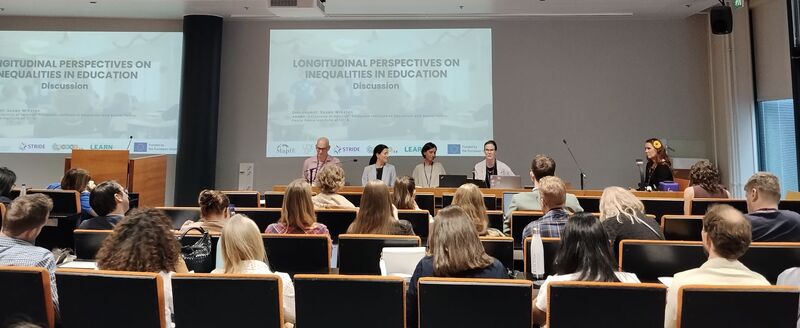

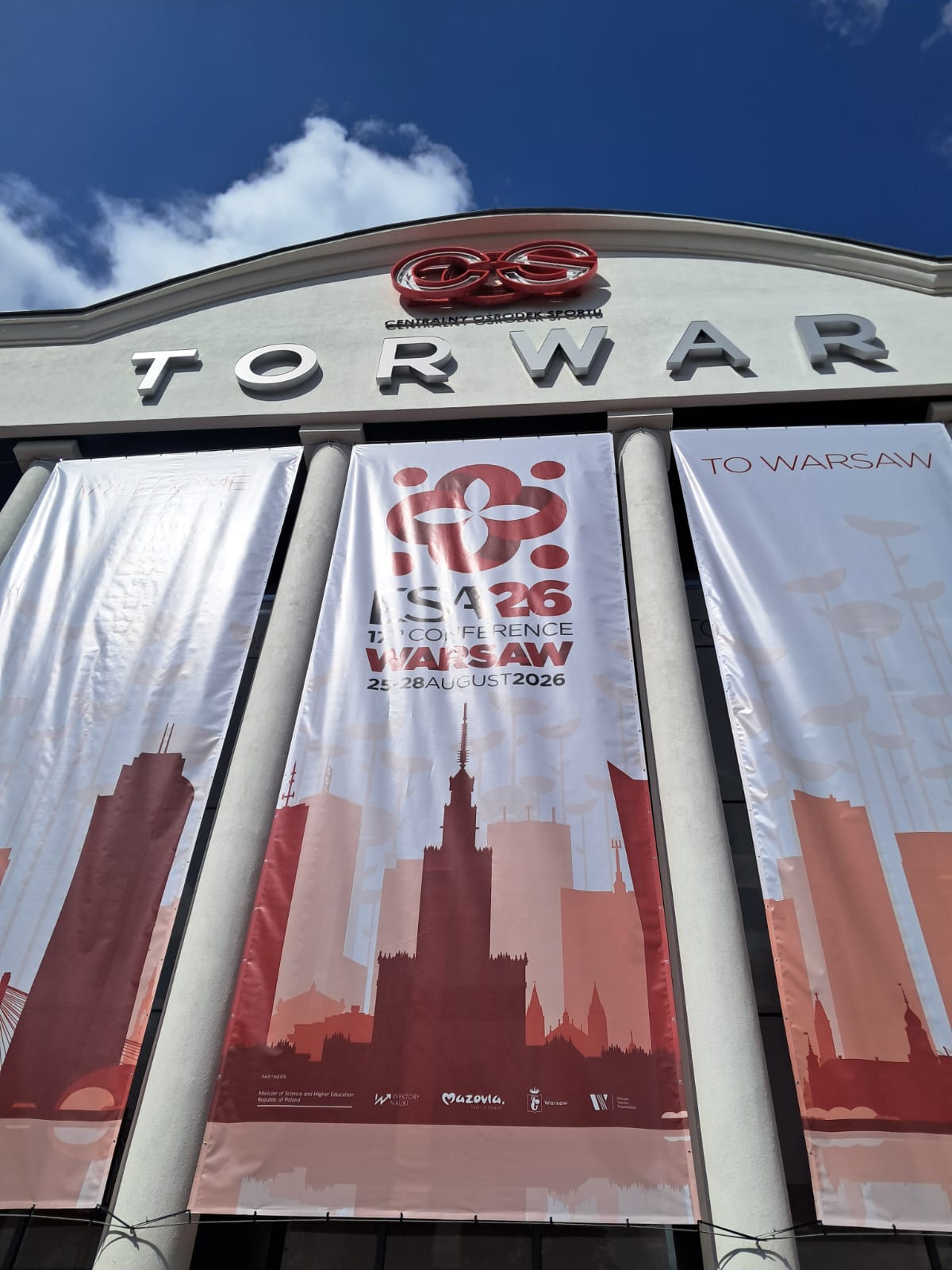
On 25–28 August 2026, the LINEup project was represented at the 17th Conference of the European Sociological Association (ESA) in Warsaw, Poland. Under the theme “Strengthening Democracies: Social Action, Solidarity, and Sustainable Futures”, the conference brought together sociologists from across Europe and beyond to discuss some of the most pressing challenges facing contemporary societies and the role of social action in shaping more democratic and sustainable futures.
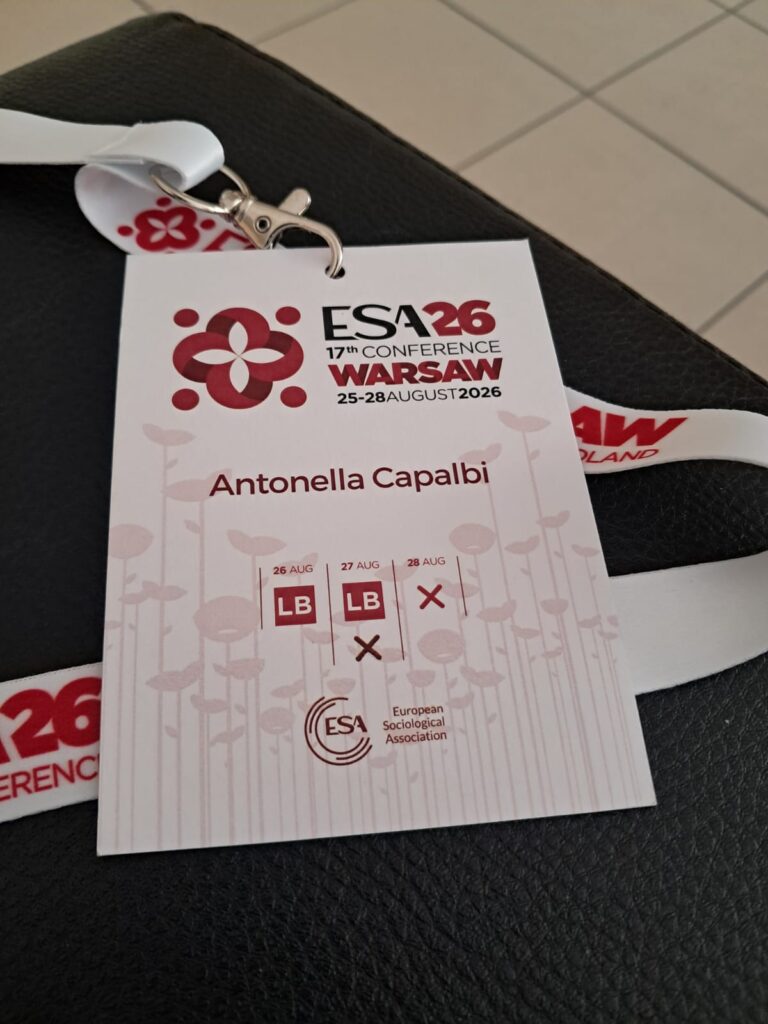
On 28 August, Antonella Capalbi, Senior Researcher at Fondazione per la Scuola, presented the paper “Schools As Sites Of Social Action: Evidence On Student Engagement And Educational Inequalities From The Italian Case Studies Within The Horizon Europe LINEup Project”, co-authored with Veronica Mobilio, Head of Research at Fondazione per la Scuola and Scientific Coordinator of LINEup. The presentation shared findings from the qualitative research conducted in Italy within the project and stimulated discussion on educational inequalities and the role schools can play in addressing them.
From educational inequalities to school-level processes
Educational inequalities remain a persistent challenge across Europe despite numerous policy reforms aimed at promoting equity. LINEup addresses this challenge by combining different methodological perspectives to understand not only the factors associated with unequal educational outcomes, but also the processes through which inequalities emerge and evolve across contexts.
Building on the project’s conceptual model of educational inequalities, the qualitative component of LINEup focuses particularly on student engagement and wellbeing as key dimensions connecting students’ experiences of schooling, learning outcomes and educational equity. Through in-depth case studies, it explores how school practices and organisational processes can shape these dimensions and contribute to more equitable educational opportunities.
The qualitative research adopts a multiple-case study methodology across six European countries – France, Germany, Greece, Italy, Portugal and Spain – with nine schools selected in each country. The case studies were designed to capture the interplay between institutional factors, socio-economic contexts and educational outcomes, complementing the project’s longitudinal perspective with an in-depth exploration of how inequalities are experienced and addressed within schools.
Insights from the Italian case studies
The presentation at ESA focused on the nine Italian case studies, examining how schools operating in different social and educational contexts respond to inequalities through their everyday organisational and pedagogical practices.
The findings highlighted the importance of looking at schools not simply as settings in which broader social inequalities are reflected or reproduced, but also as organisations in which different actors interpret students’ needs, mobilise available resources and develop practices aimed at supporting participation, inclusion, wellbeing and learning.
The Italian cases also drew attention to the organisational dimension of educational equity. Schools differed in the ways they combined attention to learning outcomes with student wellbeing and participation, organised support and personalised learning opportunities, mobilised internal and external resources, and monitored students’ educational trajectories. These responses were shaped both by the social and educational contexts in which schools operated and by the organisational capacities and resources available to them.
Rather than identifying generalisable “best practices” or establishing what works, the nine case studies offered an exploratory perspective on the different ways in which schools interpret and respond to educational inequalities in their specific contexts. In this sense, the qualitative analysis helps shed light on the organisational processes and choices through which broader equity goals are translated into everyday educational practice.
The ESA presentation provided an opportunity to discuss these findings within a broader sociological debate on educational inequalities, social action and the role of schools in democratic societies. The exchange reinforced one of the key ideas emerging from the Italian qualitative research: schools can be understood not only as contexts in which educational inequalities are reproduced, but also as sites of social action, where organisational choices shape how equity is pursued in everyday educational practice.
👉 Discover the National Case Study Reports:
https://www.lineup-project.eu/highlights/reports-policy-briefs/