Hosting the LINEup Seminar in Lisbon provided Portugal with an important opportunity to strengthen international cooperation and explore how longitudinal educational data can inform more equitable education policies. In this interview, Nuno Neto Rodrigues, General Director of DGEPA (Direção-Geral de Estudos, Planeamento e Avaliação), reflects on the significance of the event and the role of research in addressing educational inequalities.
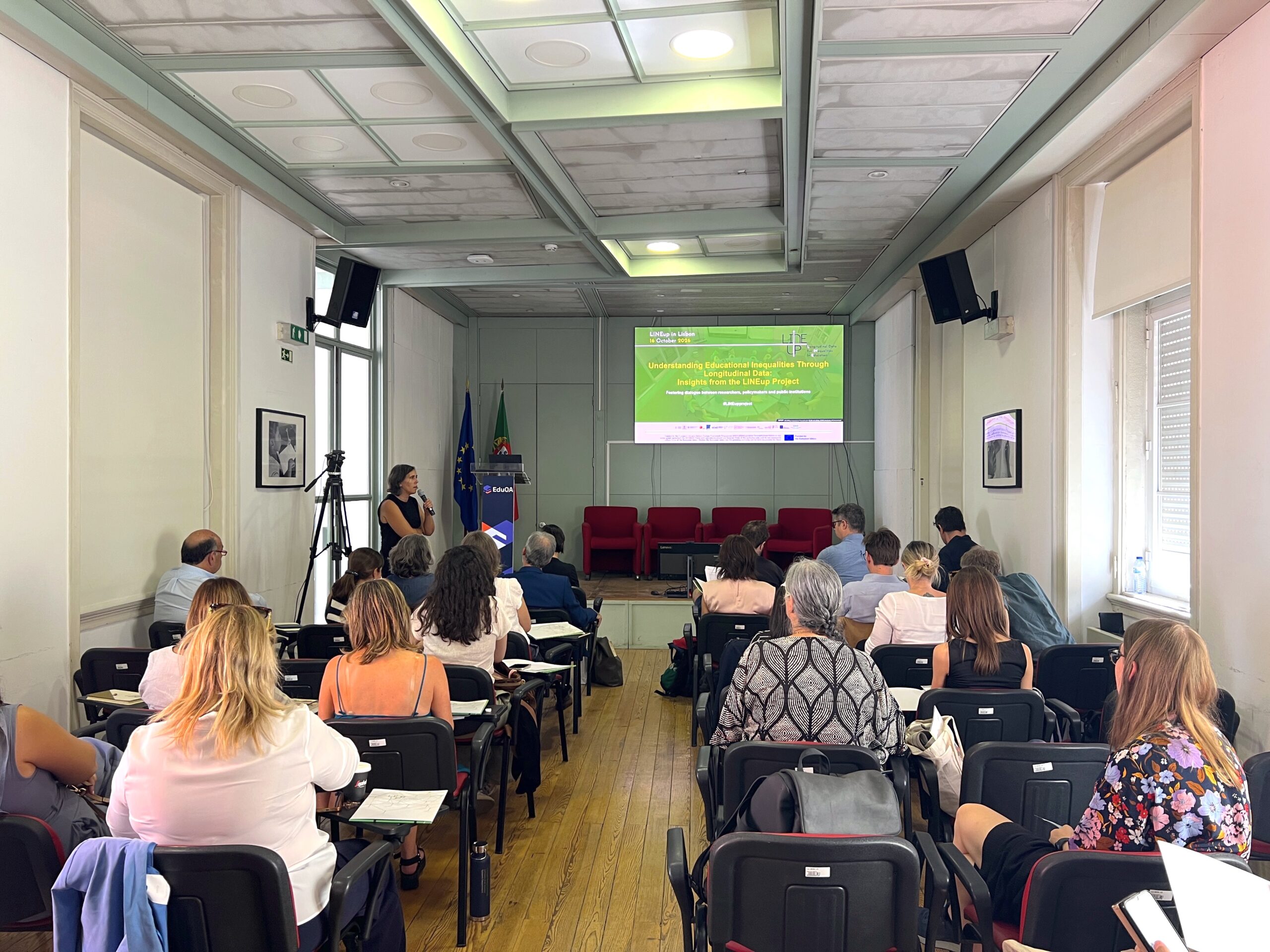
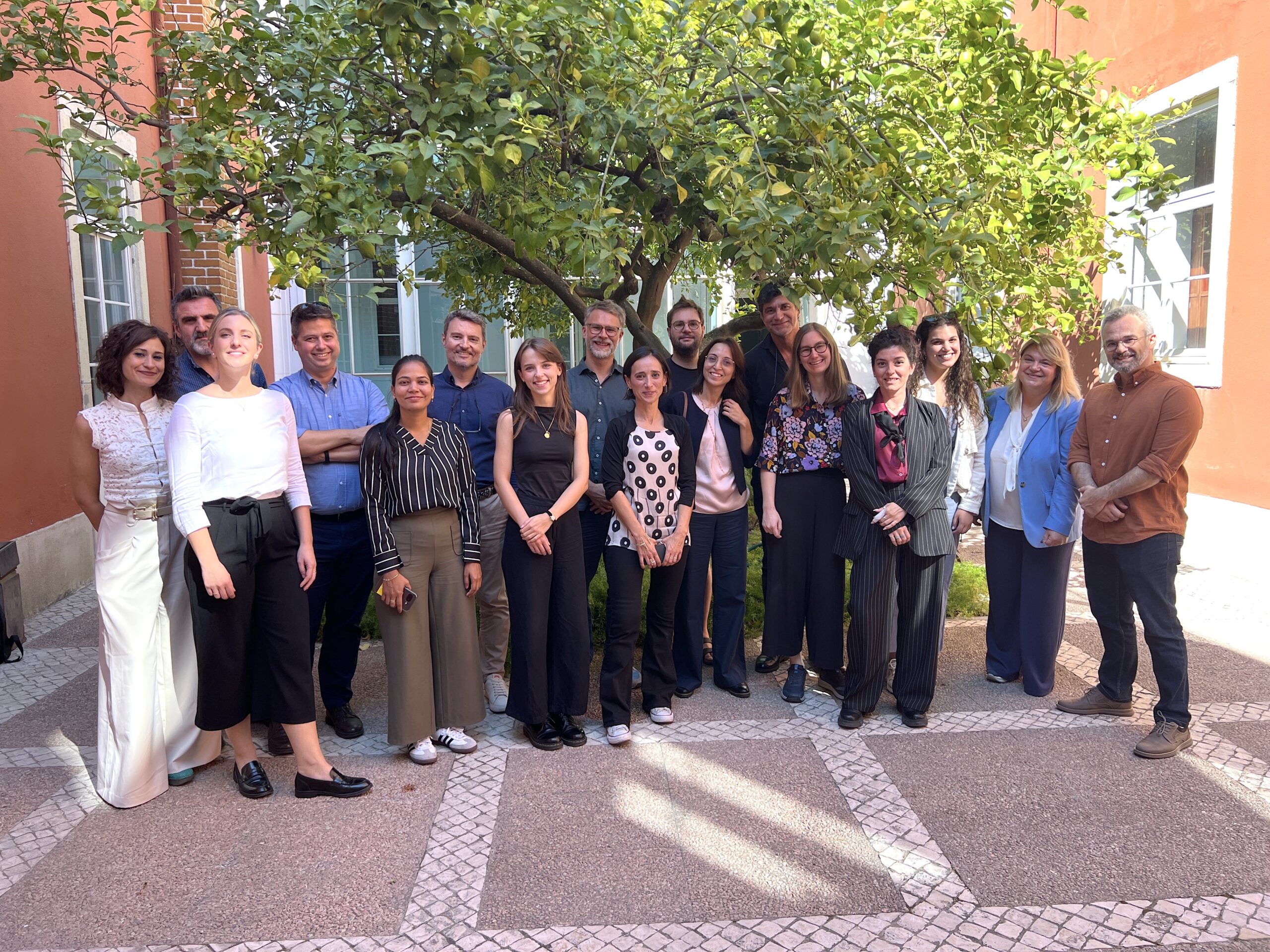
On 16 October 2026, EduQA, the Institute for Education, Quality and Evaluation hosted the LINEup Seminar, “Understanding Educational Inequalities through Longitudinal Data: Insights from the LINEup Project”, bringing together researchers, policymakers and education stakeholders from across Europe. Organised within the framework of the Horizon Europe LINEup project, in collaboration with the Universidade de Trás-os-Montes e Alto Douro (UTAD), the event provided a platform for exchanging knowledge, presenting research findings and discussing how longitudinal evidence can support more effective educational policies.
Bringing European research and national priorities together
In the interview recorded after the event, Nuno Neto Rodrigues, highlighted the importance of bringing together different kind of stakeholders to address the challenges of educational inequality. According to Rodrigues, international cooperation offers opportunities to exchange experiences, compare approaches and learn from the different types of educational data collected across countries.
The goal, in his words, is “a more equal education system”. The way there runs through comparison. “Bringing all these players together, we can share our experiences and the data we use in our countries, and find better methodologies to understand what is really happening, in Portugal but also in other European countries.”
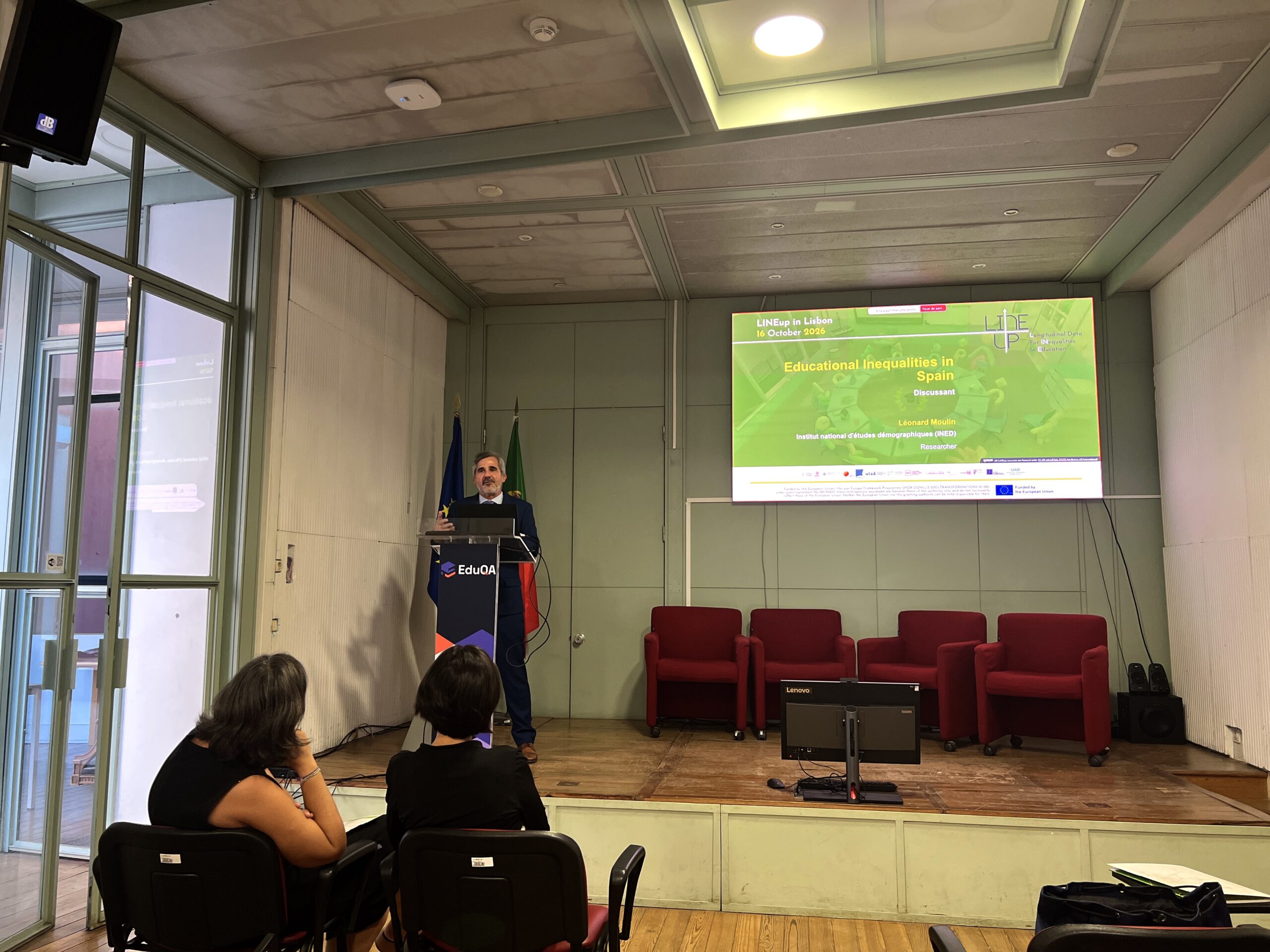
This was clear during the day. The Portuguese case study presented in Lisbon by Paulo Moreira (UTAD) offered a concrete example. Following students through the years before their move to upper-secondary education, it showed persistent gaps linked to family background, alongside differences related to gender and migration background. These results provided a relevant national perspective within the broader European discussion, reinforcing the importance of examining educational inequalities in their specific contexts while learning from comparative research.
Moving beyond snapshots: the value of longitudinal data
A central theme emerging from Rodrigues’ reflections was the importance of collecting and analysing high-quality educational data over time. Unlike isolated measurements, longitudinal data allow researchers and policymakers to follow students’ educational trajectories, identifying not only differences in learning outcomes but also when inequalities emerge and how they develop.
“Longitudinal data allow us to move from snapshots to students’ trajectories,” Rodrigues explained. “We can see whether particular experiences and interventions are associated with different outcomes over time. This gives policymakers a much stronger evidence base to identify inequalities, understand when they emerge, and design and evaluate more targeted interventions.” However, Rodrigues also stressed that data quality is a fundamental prerequisite. As he put it: “First, we have to have good-quality data. Only then, combined with longitudinal information, can we see what happens to our students, and policymakers can develop policies that contribute to a much more equal system.”
Following students over many years only pays off if the information collected along the way is reliable, consistent and comparable. Otherwise trajectories become a long series of uncertain snapshots.
From international dialogue to more equitable education systems
The discussions held in Lisbon demonstrated the importance of connecting scientific research with the practical needs of education systems. By facilitating exchanges between international researchers and national stakeholders, the seminar offered Portugal an opportunity to reflect on how different methodologies and data sources can contribute to a more comprehensive understanding of educational inequalities.
Rodrigues’ reflections closely align with LINEup’s broader objectives: strengthening the use of longitudinal evidence, improving the understanding of educational trajectories and supporting policies that promote equal opportunities for all learners. As the project continues to translate its findings into policy-relevant recommendations, the Lisbon seminar stands as an example of how European research cooperation can contribute to national discussions on educational equity.
What comes next
This is also the logic behind LINEup. Through the project, partners from six countries are working to strengthen the use of longitudinal evidence, improve the understanding of educational trajectories and support policies that promote equal opportunities for all learners. Lisbon showed that national institutions are ready for this conversation, and that they are asking research for evidence they can act on.
Watch the full interview with Nuno Neto Rodrigues here. LINEup’s results will be presented at the project’s Closing Event in Paris on 28–29 January 2027. Follow the project at lineup-project.eu.